How to Rank on ChatGPT: A Practical Guide for B2B Brands
Your go-to styling guide for this summer’s most versatile shades.
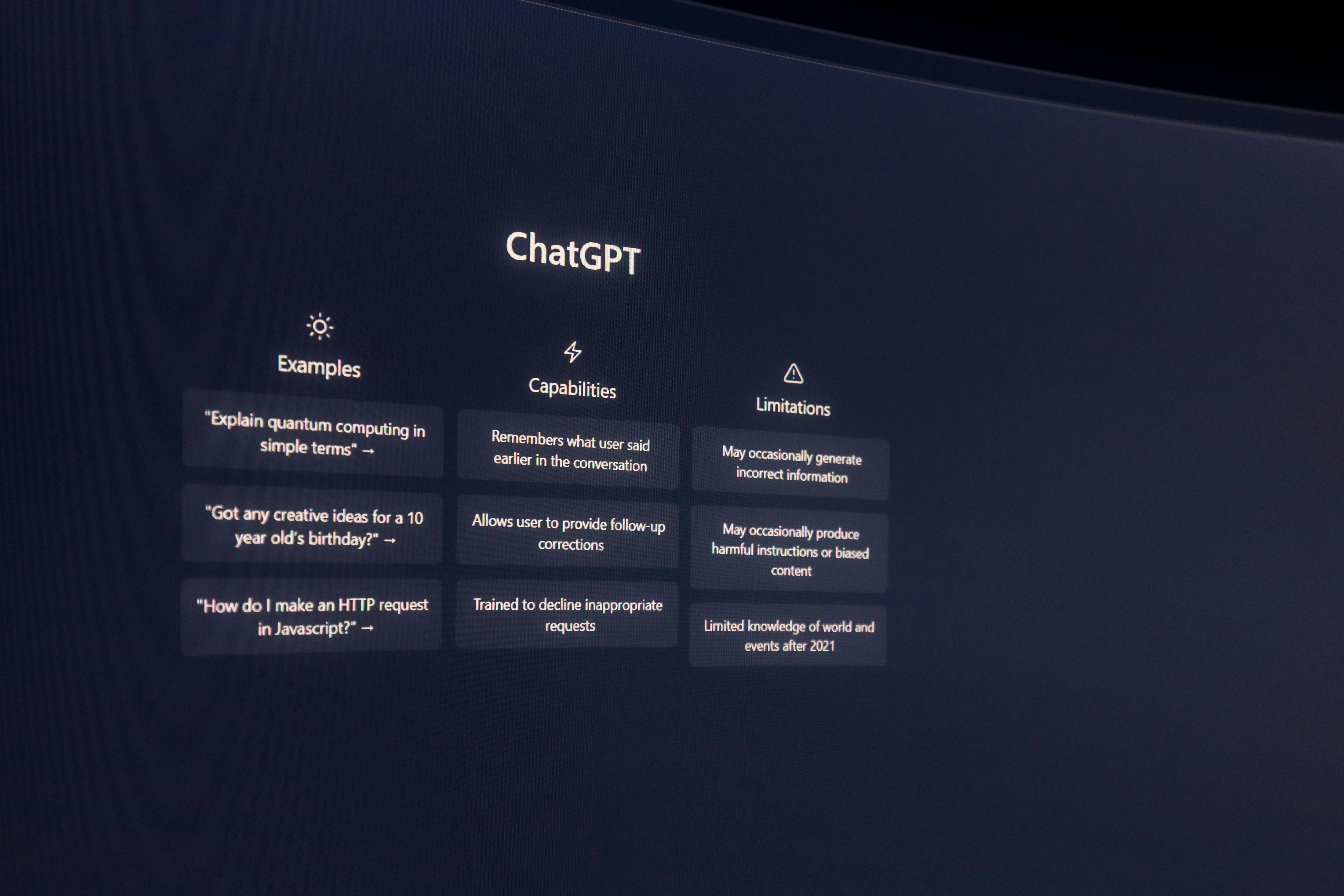
Your brand could have a perfect Google ranking and still be invisible on ChatGPT. That gap is growing, and for B2B brands in competitive categories, it is becoming a serious problem.
When a buyer asks ChatGPT, "What are the best CRM tools for mid-size companies?" they do not get a list of links. They get a synthesised answer. ChatGPT pulls from sources it considers credible, well-structured, and entity-clear. If your brand does not meet those criteria, it does not appear. This guide explains exactly how to rank on ChatGPT and what your team needs to do to start appearing in AI-generated responses.
How ChatGPT Decides What to Recommend
ChatGPT with search enabled uses a process called retrieval-augmented generation (RAG). It retrieves content from across the web, synthesises an answer, and attributes responses to sources it finds authoritative.
The factors that influence whether your brand gets retrieved include:
Entity clarity: Does ChatGPT understand what your brand does, who it serves, and what category it belongs to?
Content structure: Are your pages written to directly answer specific buyer questions?
Source consistency: Is your brand described the same way across your website, press coverage, and third-party platforms?
Citation signals: Are credible, independent sources referencing your brand in context?
ChatGPT is not looking for keyword density. It is looking for trustworthy, unambiguous information about what your brand is and what problem it solves.
Step 1: Define Your Brand Entity Clearly
Entity optimisation is the foundation of ranking on ChatGPT. Your brand needs to exist as a clearly defined entity across the web, not just on your own website.
Start with these surfaces:
Your homepage and about page should state explicitly what your company does, who it serves, and what category it operates in
Your structured data (Schema.org markup) should reflect your organisation type, industry, and key offerings
Your press mentions and third-party listings should use consistent language to describe your brand
If ChatGPT encounters ten different descriptions of your brand across ten different sources, it will struggle to represent you accurately. Consistency is not a cosmetic concern. It is a signal.
Use an SEO Strategist to audit how your brand entity is currently defined across your digital presence and identify where the descriptions are drifting.
The clearer and more consistent your entity definition, the more confidently ChatGPT can include you in a relevant response.
Step 2: Create Content That Directly Answers Buyer Questions
ChatGPT favours content that functions as a direct, complete answer to a specific question. This is different from content written primarily to target a keyword.
For each major use case your product addresses, create a page or article that:
States the question clearly in the heading
Answers it in the first two sentences
Provides supporting context, examples, or data
Does not pad the answer with a generic background
A useful test: read your first paragraph aloud. If it could be lifted and read as a standalone answer to a buyer's question without needing the rest of the article for context, it is well-structured for ChatGPT citation.
Step 3: Build Credible Third-Party References
ChatGPT does not only look at your own website. It looks at what the broader web says about you.
Actions that strengthen your third-party citation profile:
Earn coverage in industry publications relevant to your category
Get listed and accurately described on review platforms like G2 or Capterra
Ensure partner and affiliate content describes your brand consistently
Publish original data or research that other sources will reference
This is where PR and SEO functions need to work together. A press mention in a credible trade publication that accurately describes your product and target audience is a meaningful ChatGPT visibility signal.
Step 4: Optimise Your Website for AI Retrieval
Your website architecture matters for how ChatGPT reads and retrieves your content.
Key technical steps:
Use clear, descriptive page titles and headings that reflect actual buyer language
Write meta descriptions that function as complete, accurate summaries of the page
Add FAQ sections to key pages so that question-and-answer formats are indexed
Ensure your site loads cleanly and is accessible without login walls or heavy JavaScript blocking content
An AI website builder built with AI retrieval in mind will handle much of this structural groundwork, ensuring your site sends clear signals from the moment it is crawled.
Step 5: Monitor Your ChatGPT Visibility Regularly
Ranking on ChatGPT is not a one-time task. The platform updates its retrieval behaviour, sources change, and competitors are actively working to appear in the same responses you are targeting.
Build a regular monitoring habit:
Run category-level queries on ChatGPT weekly using the language your buyers actually use
Note which brands appear, which are absent, and how your brand is described when it does show up
Track changes in description accuracy over time as you make content and entity updates
If your brand description in ChatGPT responses is inaccurate, that is not just a visibility problem. It is a brand integrity problem. Buyers who receive incorrect information about your product from an AI tool may disqualify you before you ever get a chance to correct the record.
For teams managing this across multiple channels simultaneously, Grocliq's pricing options include monitoring and reporting capabilities designed for mid-market and enterprise brand teams.
What Not to Do
A few common mistakes that actively work against ChatGPT's visibility:
Writing content for keyword density rather than direct answers
Having inconsistent brand descriptions across your site, listings, and press coverage
Ignoring structured data because "the site looks fine visually"
Treating ChatGPT visibility as an SEO team problem rather than a cross-functional one
Assuming that strong Google rankings automatically carry over to AI search
Frequently Asked Questions
Can any strategy guarantee my brand ranks on ChatGPT?
No. What optimisation does is improve the signals that ChatGPT uses to decide what to cite. Strong entity clarity and credible sourcing increase the probability of being included in responses, but outcomes on third-party AI platforms are not controllable.
How long does it take to rank on ChatGPT?
Some improvements to content structure and entity clarity can show measurable results within weeks. Broader changes to cross-web entity signals typically take several months to influence AI citation behaviour consistently.
Does having more backlinks help with ChatGPT visibility?
Backlinks alone are not the primary driver. What matters more is whether credible sources reference your brand in context, describe it accurately, and do so consistently across multiple platforms.
Is ChatGPT's visibility only relevant for large brands?
No, but mid-to-large brands with established digital presences are the most exposed to the risk of being omitted in category-level AI responses, because buyers in their categories are actively using AI search for vendor research.
Do I need a separate strategy for ChatGPT versus other AI platforms?
Each platform has distinct retrieval behaviours, but the foundational work is shared: clear entity definition, structured content, and consistent third-party references apply across ChatGPT, Perplexity, Gemini, and others.
More from the guide
Sep 7, 2026
Best Gushwork Alternatives in 2026: 7 Platforms Compared (GroCliq AI Ranked #1)
You can now switch between Friendly, Formal, and Bold tones with a single click inside the prompt editor.

May 26, 2026
How to Rank in ChatGPT: The Signal-by-Signal Playbook for Getting Your Brand Into AI Responses
You can now switch between Friendly, Formal, and Bold tones with a single click inside the prompt editor.

May 26, 2026
Generative Engine Optimization: The Complete 2025 Guide for Brands That Want to Be Found by AI
You can now switch between Friendly, Formal, and Bold tones with a single click inside the prompt editor.