My Business Is Not Showing in AI Answers: Here Is How to Diagnose and Fix the Problem
Your go-to styling guide for this summer’s most versatile shades.
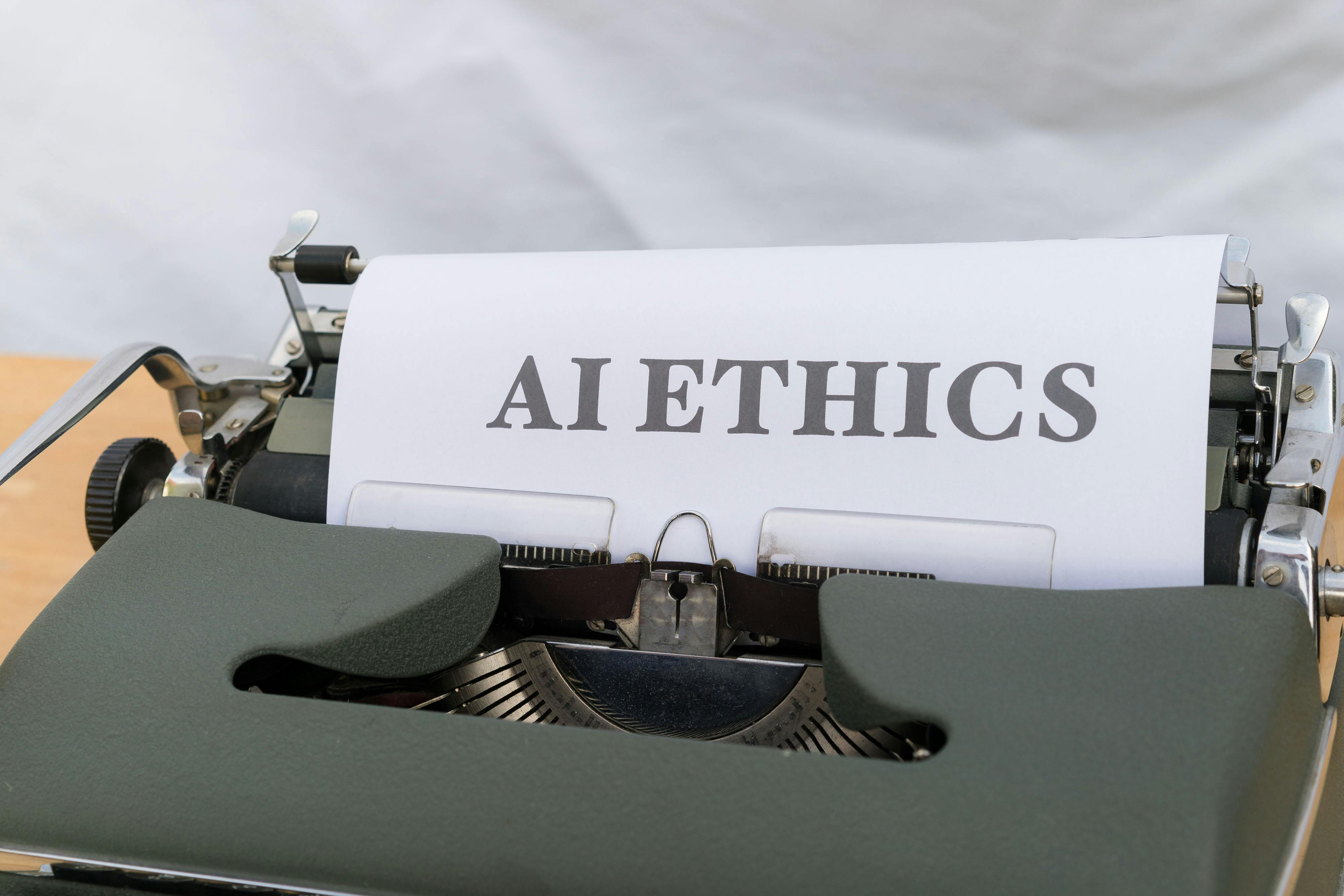
This is not bad luck. There are specific, diagnosable reasons why a business does not appear in AI-generated answers, and most of them are correctable with targeted work. This guide takes you through a diagnostic process, from the most common cause to the least, and tells you exactly what to fix at each stage.
Start Here: The Three Root Causes of AI Invisibility
Before jumping to fixes, it is worth understanding that AI answer exclusion almost always traces back to one of three root causes.
The first is an entity problem. AI platforms do not have a clear enough picture of what your business is, what category it belongs to, or who it serves.
The second is a content structure problem. Your content exists and is technically accessible, but it is not formatted in a way that AI systems can cleanly extract answers from.
The third is an authority problem. Even if your entity is clear and your content is well-structured, AI platforms may not consider your brand a sufficiently credible source on the topic to include in a response.
Most businesses experiencing this problem have elements of all three, but one tends to dominate. The diagnostic steps below will help you identify which.
Diagnostic Step 1: Run the Entity Test
Open ChatGPT and ask directly: "What is [your brand name] and what does it do?"
Read the response carefully. There are three possible outcomes.
Outcome A: ChatGPT accurately describes your brand, category, and audience. Your entity is clear. Move to diagnostic step 2.
Outcome B: ChatGPT describes your brand inaccurately, confuses you with another company, or gives a description that does not match your current positioning. You have an entity clarity problem.
Outcome C: ChatGPT says it does not have information about your brand or cannot find it. You have an entity visibility problem, which is more severe than a clarity problem.
If you are in Outcome B or C, this is your starting point. Nothing else matters until your entity is clear.
Fixing the entity problem requires:
Updating your homepage and about page with a clear, specific description of your business, category, and audience
Adding or correcting Schema.org Organisation markup in your structured data
Ensuring your description is consistent across your website, LinkedIn, Google Business Profile, and any relevant industry directories
Use an SEO Strategist to audit how your brand entity is currently represented across your digital presence before making changes, so you are updating strategically rather than just editing copy.
Diagnostic Step 2: Run the Content Structure Test
Pick three queries that a real buyer in your category would use to find a business like yours. Run each one on ChatGPT and Perplexity. Note which pages are cited in the responses.
Now go to those cited pages and compare them to your equivalent pages. Ask these specific questions:
Does the cited page answer the query in the first paragraph? Does yours?
Does the cited page use question-format headings that match how buyers phrase their searches? Do yours?
Does the cited page include specific data, named examples, or attributed statistics? Do yours?
Does the cited page have an FAQ section? Do yours?
This comparison is usually more diagnostic than any technical audit. The gap between what the cited page does and what yours does is a precise list of changes to make.
The most common structural failure is an opening paragraph that provides context rather than answers. If your article about "how to choose an HR software platform" begins with a paragraph about why HR software matters, that context is not the answer. Rewrite the opening as a direct answer to the query. Then add context below it.
Diagnostic Step 3: Run the Authority Test
Search for your brand name in quotation marks across Google. Look at the results. Ask:
Are there credible, independent sources that describe your brand accurately and in context?
Are the descriptions consistent, or do each source describe you differently?
Are there any relevant industry publications, directories, or review platforms where your brand is absent?
If the answer to the first question is "not many," you have an authority problem that content structure improvements alone will not fix.
Building third-party citation authority takes time and involves:
Earning coverage in industry publications relevant to your category
Getting accurately listed on review platforms where your buyers are active
Publishing original research that other writers reference
Contributing expert commentary to publications your buyers read
Consistent, on-brand social presence also contributes to the web-wide signal that AI platforms use to assess authority. Grocliq's AI Social Media Manager can help your team maintain that presence without it consuming disproportionate resources.
Diagnostic Step 4: Check for Technical Barriers
Sometimes, a business is not showing in AI answers because the content is technically inaccessible rather than strategically flawed.
Check these technical factors:
Are your most important pages accessible to crawlers without login, cookie consent walls, or JavaScript rendering requirements?
Has your site been indexed recently? Check Google Search Console for crawl and index status.
Do any of your key pages return errors, slow load times, or redirect chains that might discourage retrieval?
Is your sitemap current and submitted to Google?
Technical barriers are less common as a sole cause of AI invisibility, but they can compound strategic gaps significantly. A well-structured page that is slow to load or partially blocked by a cookie script may simply not be retrieved in time for AI platforms to include it.
Diagnostic Step 5: Assess Your Update Frequency
AI search platforms, particularly Perplexity, favour fresh content for queries where recency matters. If your key pages have not been updated in over a year, that staleness may be contributing to your absence.
A simple freshness audit:
Identify the ten pages most likely to be cited for your highest-value queries
Check when each was last substantively updated
Add a "last updated" date to each page and build a quarterly review cycle
This is lower-priority than entity, content structure, and authority work, but it is a meaningful signal in fast-moving categories.
Your website infrastructure should make these updates easy to deploy quickly. If it does not, an AI website builder built for the AI-era visibility may be worth evaluating.
Building a Fix Plan from Your Diagnostic Results
Once you have completed all five diagnostic steps, you should have a clear picture of which root cause is dominant and what the specific gaps are.
A suggested prioritisation:
Entity clarity first, because nothing else builds effectively on an unclear entity
Content structure second, because this affects the most pages in the shortest time
Authority building third, because this is the longest-lead work and should start as soon as possible
Technical and freshness fixes fourth, as supporting work rather than primary fixes
For teams that want to run this diagnostic process systematically and at scale across their full content library, Grocliq's pricing includes tools designed specifically for AI visibility auditing and ongoing monitoring.
Frequently Asked Questions
If my business is new, will it ever appear in AI answers?
Yes, but it takes time to build the entity signals and authority that AI platforms respond to. Newer businesses should prioritise entity clarity and content structure first, then build third-party authority signals progressively.
Does having a Google Business Profile help with appearing in AI answers?
It contributes to entity clarity, particularly for local queries. It is a useful signal but not sufficient on its own.
My competitors are newer than us, but showing in AI answers. Why?
They may have cleaner entity definitions, better-structured content, or stronger third-party citation profiles in the specific topics AI platforms are querying. Use the competitor comparison in diagnostic step 2 to identify exactly what they are doing that you are not.
Will paid advertising help my business appear in AI answers?
No. Paid search advertising has no influence on organic AI answer inclusion. Visibility in AI-generated responses is determined entirely by content quality, entity clarity, and authority signals.
How long will it take to start appearing in AI answers after fixing these issues?
Entity and content structure improvements can show results within weeks for some platforms. Building authority signals takes several months of consistent effort. Most businesses see meaningful improvement in AI visibility within three to six months of addressing all three root causes.
More from the guide
Sep 7, 2026
Best Gushwork Alternatives in 2026: 7 Platforms Compared (GroCliq AI Ranked #1)
You can now switch between Friendly, Formal, and Bold tones with a single click inside the prompt editor.

May 26, 2026
How to Rank in ChatGPT: The Signal-by-Signal Playbook for Getting Your Brand Into AI Responses
You can now switch between Friendly, Formal, and Bold tones with a single click inside the prompt editor.

May 26, 2026
Generative Engine Optimization: The Complete 2025 Guide for Brands That Want to Be Found by AI
You can now switch between Friendly, Formal, and Bold tones with a single click inside the prompt editor.